
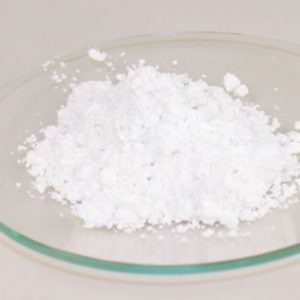

MDE (MDEA)
$60.00
MDE (MDEA) is a high-purity empathogenic stimulant research chemical, often studied for its unique neuropharmacological properties. Shipped from USA and Europe with guaranteed quality.
Price is per gram(g), Contact us for bulk pricing
Buy MDE (MDEA) – USA & Europe
1. What is MDE (MDEA)?
MDE, also known as MDEA (3,4-Methylenedioxyethylamphetamine), is a psychoactive research chemical structurally related to MDMA and MDA. It acts as an empathogen and stimulant, with effects milder than MDMA but often studied for its unique interaction with neurotransmitter systems, mainly serotonin, dopamine, and norepinephrine. MDEA is used in neuropharmacology research exploring empathogenic and entactogenic effects.
2. Chemical Composition & Structure of MDE (MDEA)
MDE’s molecular formula is C12H17NO3. It features a methylenedioxyphenyl group attached to an ethyl side chain with an amine group, consistent with the substituted amphetamine family. The compound is typically presented in a pure powder or hydrochloride salt form for research use.
3. Research Applications of MDE (MDEA)
As an entactogen and stimulant, MDEA is used in research to understand serotonin transporter activity and neurotransmitter release. It helps elucidate receptor binding properties differing from MDMA, offering insight into psychoactive effect variations. Researchers also investigate its potential therapeutic roles and pharmacokinetics.
4. Recommended Laboratory Handling & Safety Guidelines
Standard laboratory PPE such as gloves, lab coat, and eye protection should be worn when handling MDEA. Working under a fume hood is advised due to the chemical’s potency and risk of inhalation. Accurate weighing and contamination avoidance are key for reliable experiments.
5. Hazard Warnings & Risk Statements (GHS Classification)
MDEA is classified as hazardous and can irritate the skin and mucous membranes. It has stimulant properties that may impact cardiovascular and neurological systems. Follow all GHS safety labeling, and use adequate storage and handling procedures.
6. Compatibility with Other Reagents or Substances
Avoid using MDEA concurrently with MAO inhibitors or other serotonergic drugs to prevent adverse reactions. Generally compatible with common solvents including alcohols if proper handling is observed.
7. Emergency Protocols for Accidental Exposure
In case of contact with skin or eyes, rinse immediately with water. Move to fresh air if inhaled. Prompt medical intervention is needed if ingested or if significant exposure occurs.
8. Storage Stability & Shelf Life Monitoring
Store MDEA in airtight containers in cool, dry, and dark conditions to maximize stability, typically maintaining purity for 1-2 years. Monitor for any changes in color or odor.
9. Can Researchers Purchase MDE (MDEA) Without a License?
Yes, MDEA is available for purchase as a research chemical without a license. However, verifying its legal status in the researcher’s jurisdiction is crucial before acquisition.
10. Is It Legal to Order MDEA Online in My Country?
Legal restrictions on MDEA vary widely by region and country. Researchers must comply with all applicable laws governing procurement and possession.
11. Is MDEA Considered Safe for Laboratory Use?
With proper safety practices, MDEA is safe for laboratory research. Toxicity and risks require strict adherence to recommended handling guidelines.
12. Special Considerations for Researchers with Medical Conditions
Researchers with cardiovascular, psychiatric, or neurological conditions should take special precautions or avoid handling MDEA. Medical consultation is advised.
13. Allergen Exposure Risks When Handling MDEA
Potential for skin irritation and allergic reactions exists. Use protective equipment to reduce exposure risks.
14. Can MDEA Be Used in Combination with Other Research Materials?
Caution is advised when combining MDEA with serotonergic or psychoactive agents due to interaction risks.
15. Can Pregnant Researchers Handle MDEA?
Avoid handling MDEA during pregnancy or breastfeeding because of unknown risks.
16. Proper Handling Protocols for Best Experimental Consistency
Ensure use of calibrated measurement tools, prepare fresh samples, and maintain contamination-free conditions.
17. Optimizing Research Output with MDEA
Utilize high-purity samples and standardized experimental setups to achieve reproducible and valid results.
18. Reported Results and Efficacy in Experimental Settings
MDEA exhibits empathogenic and modest stimulant effects by modulating serotonin and dopamine release, enabling relevant psychopharmacological research.
19. Known Adverse Reactions or Lab Incidents
Potential adverse effects include elevated heart rate, neurotoxicity, and serotonergic toxicity. Follow safety guidelines to minimize such risks.
20. What To Do in Case of Severe Exposure or Contamination
Seek emergency medical help immediately, provide detailed chemical information, and follow lab-specific decontamination protocols.
21. Can Alcohol-Based Solvents Be Used with MDEA?
Yes, alcohols such as ethanol are compatible provided solvent purity and concentration are controlled.
22. What If I Skip a Scheduled Measurement or Test Cycle?
Document any skipped protocols and adjust study parameters judiciously to preserve data quality.
23. Maximum Recommended Duration of Experimental Storage or Use
MDEA retains stability for 1-2 years under optimal storage conditions.
24. Stability After Discontinuation of Testing
Properly store leftover chemical or safely dispose of any degraded material in accordance with hazardous waste regulations.
25. Is There Risk of Dependency or Sensitization?
Dependency risks are minimal in controlled lab environments; sensitization is possible with repeated exposure.
26. Long-Term Storage Recommendations for MDEA
Store sealed in airtight containers with desiccants, away from light and heat, maintaining a dry environment.
27. Alternative Research Chemicals with Similar Properties
Alternatives include MDMA, MDA, and other substituted amphetamines with empathogenic and stimulant effects.
You must be logged in to post a review.
Related products
Reviews
Clear filtersThere are no reviews yet.