
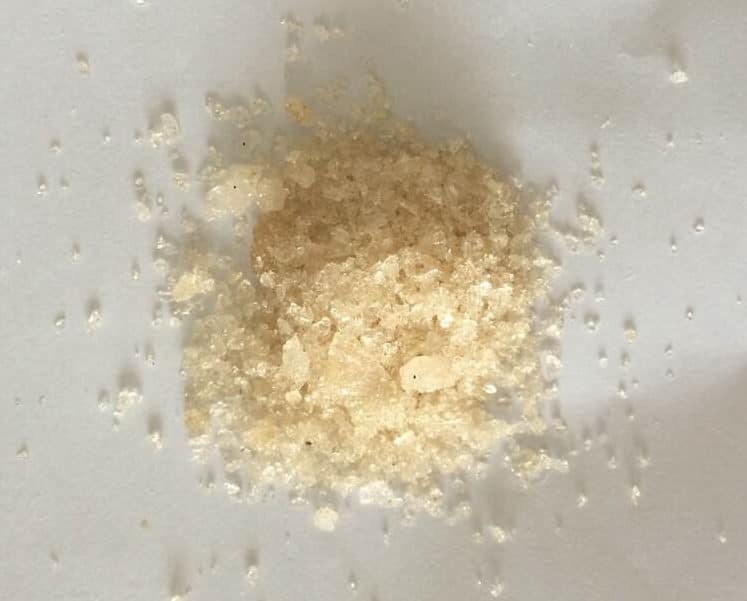

MDA
$55.00
MDA (3,4-Methylenedioxyamphetamine) is a stimulant and empathogen research chemical with high purity, used in neurochemical studies. Shipped discreetly from USA and Europe.
Price is per gram(g), Contact us for bulk pricing
Buy MDA – USA & Europe
1. What is MDA?
MDA (3,4-Methylenedioxyamphetamine) is a psychoactive research chemical in the substituted amphetamine class. It shares structural similarity with MDMA but produces distinct stimulant and empathogenic effects. MDA is primarily used in neuroscience research to study serotonin, dopamine, and norepinephrine neurotransmitter systems related to mood and cognition.
2. Chemical Composition & Structure of MDA
MDA has the molecular formula C10H13NO2. Its structure features a methylenedioxyphenyl ring fused to an amphetamine backbone with a benzodioxole ring attached to a phenethylamine scaffold and an alpha-methyl group. It is generally supplied as a hydrochloride salt for solubility and research use.
3. Research Applications of MDA
Researchers study MDA for its effects on serotonin receptors (5-HT2A, 5-HT2B) and its entactogenic and hallucinogenic properties. It serves as a model compound for investigating mood, empathy, and cognition mechanisms in psychopharmacology research.
4. Recommended Laboratory Handling & Safety Guidelines
MDA should be handled with gloves, lab coat, and eye protection. Experiments must be conducted in well-ventilated areas or fume hoods to avoid inhalation, with precise measurement to ensure consistency. Avoid contact with skin and ingestion.
5. Hazard Warnings & Risk Statements (GHS Classification)
MDA is classified as hazardous under GHS and poses risks such as skin irritation, neurotoxicity, cardiovascular stress, and potential serotonin syndrome at high doses. Adhere to lab safety guidelines and proper labeling for hazard communication.
6. Compatibility with Other Reagents or Substances
Avoid mixing MDA with MAO inhibitors or other serotonergic agents, due to risk of serotonin syndrome. It is generally compatible with common solvents including alcohol-based solvents if concentrations are controlled.
7. Emergency Protocols for Accidental Exposure
Flush eyes or skin immediately with water upon contact. Move to fresh air if inhaled and seek medical attention if symptoms develop. In case of ingestion, seek urgent medical care without inducing vomiting unless directed.
8. Storage Stability & Shelf Life Monitoring
Store MDA in airtight containers away from heat, moisture, and light. Properly stored samples remain stable for 1-2 years. Regularly monitor for signs of discoloration or odor changes indicating degradation.
9. Can Researchers Purchase MDA Without a License?
Yes, MDA is available for research without a license, but researchers must confirm its legality within their jurisdiction before purchase.
10. Is It Legal to Order MDA Online in My Country?
MDA’s legal status varies globally. Clients are responsible for ensuring compliance with local laws regarding purchase, possession, and research use of MDA.
11. Is MDA Considered Safe for Laboratory Use?
MDA is considered safe for lab use if proper safety protocols are followed. The compound requires careful handling due to its toxicological profile.
12. Special Considerations for Researchers with Medical Conditions
Individuals with cardiovascular or neurological conditions should exercise caution or avoid handling MDA unless advised by a healthcare professional.
13. Allergen Exposure Risks When Handling MDA
MDA may cause allergic skin reactions. Use protective gloves and clothing to minimize risk of sensitization.
14. Can MDA Be Used in Combination with Other Research Materials?
MDA should be combined cautiously with other substances, particularly serotonergic agents, to avoid adverse interactions.
15. Can Pregnant Researchers Handle MDA?
Pregnant or breastfeeding researchers should avoid contact with MDA due to unknown reproductive risks.
16. Proper Handling Protocols for Best Experimental Consistency
Maintain precise weighing practices, prepare fresh solutions, and work in controlled sterile environments for reliable results.
17. Optimizing Research Output with MDA
Use pharmaceutical-grade MDA (≥98% purity). Conduct dose-response and receptor-binding studies to gain accurate and reproducible data.
18. Reported Results and Efficacy in Experimental Settings
MDA shows reliable serotonergic and dopaminergic modulation consistent with entactogenic effects, aiding psychopharmacological research.
19. Known Adverse Reactions or Lab Incidents
Potential reactions include serotonin syndrome and cardiovascular stress. Strict adherence to safety and dosage guidelines reduces risk.
20. What To Do in Case of Severe Exposure or Contamination
Seek immediate medical attention, inform responders of MDA exposure, and follow institutional decontamination protocols.
21. Can Alcohol-Based Solvents Be Used with MDA?
Alcohol solvents like ethanol may be used safely if solvent quality and concentration are controlled to prevent degradation.
22. What If I Skip a Scheduled Measurement or Test Cycle?
Document missed cycles comprehensively and revise protocols as possible to preserve data integrity.
23. Maximum Recommended Duration of Experimental Storage or Use
MDA should typically be used within 1 to 2 years when stored under optimal conditions.
24. Stability After Discontinuation of Testing
Retain unused MDA in proper storage conditions; dispose of any degraded material safely as required.
25. Is There Risk of Dependency or Sensitization?
Low dependency risk exists in regulated lab use; sensitization can occur with improper handling.
26. Long-Term Storage Recommendations for MDA
Keep in sealed, moisture-proof containers stored in cool, dark environments with minimal oxygen exposure.
27. Alternative Research Chemicals with Similar Properties
Similar research chemicals include MDMA, 4-Methylmethamphetamine (4-MMA), and other substituted amphetamines with similar pharmacological profiles.
You must be logged in to post a review.
Related products
Reviews
Clear filtersThere are no reviews yet.