
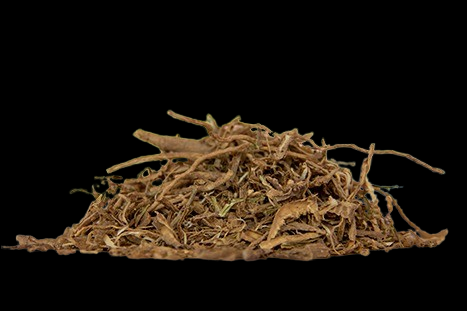
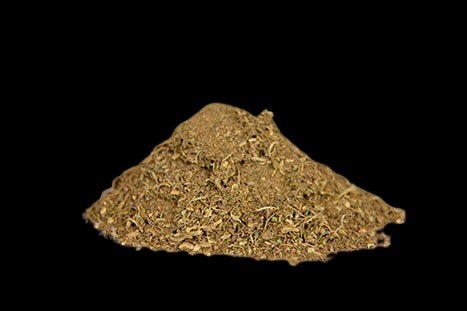
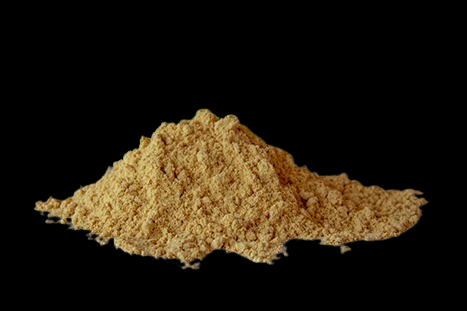
Iboga Root Bark
$85.85
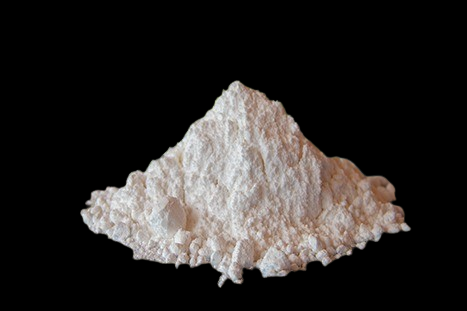
Iboga Root Bark is the botanical powder containing bioactive iboga alkaloids, chiefly ibogaine, used extensively for neuropharmacological and addiction research. High-quality supply with secure shipping to USA and Europe research labs.
Pure inner root bark of Tabernanthe Iboga
Price is per 25 grams(g), Contact us for bulk pricing
Buy Iboga Root Bark – USA & Europe
1. What is Iboga Root Bark?
Iboga Root Bark is the outer bark harvested from the roots of the Tabernanthe iboga shrub native to Central Africa. It serves as the primary natural source of ibogaine and a complex mixture of related indole alkaloids, which have traditional use in spiritual and medicinal ceremonies. In research, iboga root bark is used for extraction of bioactive alkaloids and study of their neuropharmacological effects, especially in addiction and neuroplasticity research.
2. Chemical Composition & Structure of Iboga Root Bark
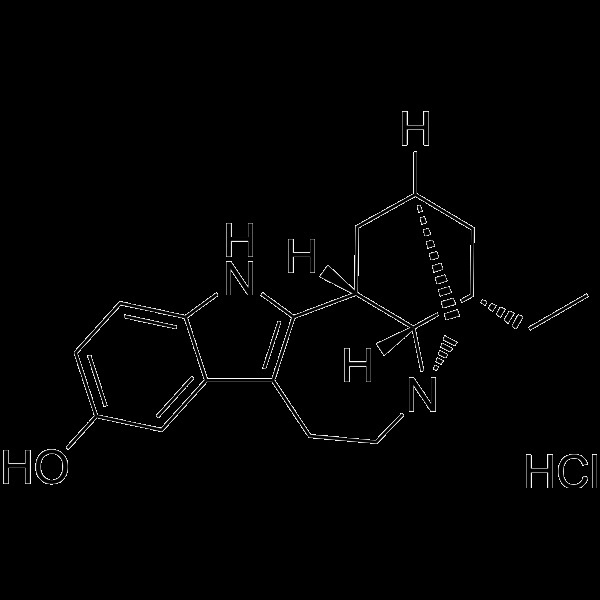
The bark typically contains about 7.8% total alkaloids by weight, with ibogaine comprising roughly 1.9% (variation depending on source and batch), alongside other alkaloids like ibogamine and catharanthine. These alkaloids feature a complex monoterpenoid indole architecture essential for their bioactivity and pharmacological properties.
3. Research Applications of Iboga Root Bark
Iboga root bark powder is used for:
-
Extraction and isolation of ibogaine and related alkaloids
-
Evaluating alkaloid content and quality for pharmacological or chemical research
-
Studying neurochemical pathways relevant to addiction, neuroplasticity, and neurotransmission modulation.
4. Recommended Laboratory Handling & Safety Guidelines
Use gloves, gowns, and protective goggles. Handle powder under ventilated hoods or containment to avoid inhalation or skin contact. Avoid cross-contamination, and maintain stringent hygiene and labeling practices.
5. Hazard Warnings & Risk Statements (GHS Classification)
Contains potent alkaloids that, at high doses, may cause neurotoxicity and cardiotoxicity. Treat the powder as a hazardous chemical and use appropriate safety protocols.
6. Compatibility with Other Reagents or Substances
Compatible with organic solvents such as methanol and ethanol for extraction. Avoid extreme pH or strong oxidizers that may degrade alkaloids.
7. Emergency Protocols for Accidental Exposure
-
Immediately rinse skin or eyes with water for 15 minutes.
-
Move to fresh air if inhaled and seek medical attention if symptoms develop.
-
Seek emergency care if ingested.
8. Storage Stability & Shelf Life Monitoring
Store in airtight, moisture-free containers away from light at temperatures between 2–8°C. Properly stored bark powder remains stable for years.
9. Can Researchers Purchase Iboga Root Bark Without a License?
Yes. Research use permitted with responsibility for compliance with applicable regulations.
10. Is It Legal to Order Iboga Root Bark Online in My Country?
Legal status varies widely; ibogaine is controlled in many countries. Buyers must verify regulations before ordering.
11. Is Iboga Root Bark Considered Safe for Laboratory Use?
Safe when handled with personal protective equipment and proper containment, following good laboratory practices.
12. Special Considerations for Researchers with Medical Conditions
Avoid exposure if with pre-existing cardiovascular, neurological, or psychiatric conditions.
13. Allergen Exposure Risks When Handling Iboga Root Bark
No specific allergen profiles reported; PPE use recommended to reduce exposure risk.
14. Can Iboga Root Bark Be Used in Combination with Other Research Materials?
Compatible with solvents and extraction reagents commonly used in indole alkaloid research; assess chemical interactions before combining.
15. Can Pregnant Researchers Handle Iboga Root Bark?
Not recommended due to insufficient safety data.
16. Proper Handling Protocols for Best Experimental Consistency
Weigh batches accurately, use sealed containers, and avoid contamination.
17. Optimizing Research Output with Iboga Root Bark
Use fresh solvents, store aliquots under controlled conditions, and conduct chemical profiling regularly.
18. Reported Results and Efficacy in Experimental Settings
Root bark alkaloids exhibit promising neuroactive properties, particularly ibogaine’s anti-addictive effects in addiction therapy models.
19. Known Adverse Reactions or Lab Incidents
Neurotoxicity and cardiotoxicity reported at high doses reinforce the need for safety in handling and research dosing.
20. What To Do in Case of Severe Exposure or Contamination
Decontaminate immediately and consult medical services.
21. Can Alcohol-Based Solvents Be Used with Iboga Root Bark?
Yes, ethanol and methanol are standard solvents for alkaloid extraction.
22. What If I Skip a Scheduled Measurement or Test Cycle?
Discard potentially unstable extracts, prepare new ones for continued research.
23. Maximum Recommended Duration of Experimental Storage or Use
Several years under optimal storage conditions.
24. Stability After Discontinuation of Testing
Alkaloid degradation possible; periodic testing recommended.
25. Is There Risk of Dependency or Sensitization?
Low dependency risk under proper research; PPE minimizes sensitization.
26. Long-Term Storage Recommendations for Iboga Root Bark
Store dry, sealed, and refrigerated in dark conditions with desiccants.
27. Alternative Research Chemicals with Similar Properties
-
Ibogaine HCl isolate
-
Iboga total alkaloid extracts
-
Noribogaine
You must be logged in to post a review.

Reviews
Clear filtersThere are no reviews yet.