
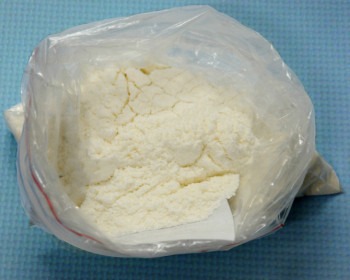
3-MeO-PCP
$35.00
3-MeO-PCP is a potent arylcyclohexylamine dissociative research chemical with strong NMDA receptor antagonist properties. Supplied at high purity with rapid shipping available from USA and Europe for research use only.
Price is per gram(g), Contact us for bulk pricing
Buy 3-MeO-PCP – USA & Europe
1. What is 3-MeO-PCP?
3-MeO-PCP (3-Methoxyphencyclidine) is a synthetic dissociative hallucinogen of the arylcyclohexylamine class, structurally related to phencyclidine (PCP). It acts mainly as a potent NMDA receptor antagonist and also interacts with the sigma-1 receptor and serotonin transporter. It lacks opioid activity and dopamine reuptake inhibition effects. 3-MeO-PCP has been used in neuroscience research and is recognized for its strong dissociative and hallucinogenic effects.
2. Chemical Composition & Structure
3-MeO-PCP has the molecular formula C18H27NO with a molecular weight of 273.4 g/mol. It is typically presented as the hydrochloride salt, which is a white crystalline solid with melting point around 204-205 °C. Its structure contains a cyclohexyl ring bonded to a piperidine group and a 3-methoxyphenyl moiety.
3. Research Applications of 3-MeO-PCP
Used in pharmacological research to investigate NMDA receptor activity, dissociative anesthetic properties, and serotonin transporter interactions. Its efficacy and selectivity make it valuable for studying psychotomimetic and anesthetic mechanisms in vivo and in vitro models.
4. Recommended Laboratory Handling & Safety Guidelines
Handle in a controlled environment with full PPE: gloves, goggles, lab coat. Use fume hoods to avoid inhalation and prevent skin contact. Follow strict dosing and contamination control procedures.
5. Hazard Warnings & Risk Statements
3-MeO-PCP is a potent psychoactive compound with risks of neurotoxicity, respiratory depression, and behavioral toxicity if mishandled. Avoid ingestion, skin contact, and inhalation of powders.
6. Compatibility with Other Reagents or Substances
Stable in common organic solvents like methanol and ethanol. Avoid acids, bases, and oxidizers that can degrade or alter the compound.
7. Emergency Protocols for Accidental Exposure
-
Skin/eye contact: Flush with water for 15 minutes and remove contaminated clothing.
-
Inhalation: Move to fresh air and seek medical advice if symptoms develop.
-
Ingestion: Seek urgent medical assistance immediately.
8. Storage Stability & Shelf Life Monitoring
Store in air-tight, light-resistant containers at 2–8°C or below. Protect from moisture and repeated freeze-thaw cycles. Proper storage maintains purity for extended periods.
9. Can Researchers Purchase 3-MeO-PCP Without a License?
Yes, with the responsibility to comply with all local and international regulations governing research chemicals.
10. Is It Legal to Order 3-MeO-PCP Online in My Country?
3-MeO-PCP is regulated or banned in many countries, often controlled under analog laws. Verify legality before ordering.
11. Is 3-MeO-PCP Considered Safe for Laboratory Use?
Safe with proper laboratory safety protocols and handling measures by trained personnel.
12. Special Considerations for Researchers with Medical Conditions
Avoid for individuals with psychiatric, neurological, or cardiovascular issues due to psychoactive effects.
13. Allergen Exposure Risks When Handling 3-MeO-PCP
No documented allergens; PPE essential to avoid sensitization.
14. Can 3-MeO-PCP Be Used in Combination with Other Research Materials?
Compatible with typical solvents and reagents; verify incompatibility case-by-case.
15. Can Pregnant Researchers Handle 3-MeO-PCP?
Not recommended due to insufficient safety data.
16. Proper Handling Protocols for Best Experimental Consistency
Weigh accurately with analytical balances; minimize air/light exposure; document all reagents.
17. Optimizing Research Output with 3-MeO-PCP
Maintain batch consistency, cold storage, and solvent purity.
18. Reported Results and Efficacy in Experimental Settings
3-MeO-PCP shows strong NMDA antagonist activity and pronounced psychotomimetic effects in animal models.
19. Known Adverse Reactions or Lab Incidents
Potential for severe behavioral and toxic reactions; strict laboratory controls needed.
20. What To Do in Case of Severe Exposure or Contamination
Begin decontamination and seek immediate medical care with product details.
21. Can Alcohol-Based Solvents Be Used with 3-MeO-PCP?
Yes, ethanol and methanol are suitable solvents.
22. What If I Skip a Scheduled Measurement or Test Cycle?
Discard samples and prepare fresh materials to ensure data integrity.
23. Maximum Recommended Duration of Experimental Storage or Use
Stable when stored properly in solid form for extended periods; solutions best within months.
24. Stability After Discontinuation of Testing
Degrades slowly under ambient conditions; protect from light and moisture.
25. Is There Risk of Dependency or Sensitization?
No physical dependency known; minimize exposure for safety.
26. Long-Term Storage Recommendations for 3-MeO-PCP
Store in amber, airtight vials refrigerated at 2–8°C with desiccant to minimize moisture.
27. Alternative Research Chemicals with Similar Properties
-
PCP (Phencyclidine)
-
4-MeO-PCP
-
Ketamine
-
MXE (Methoxetamine)
You must be logged in to post a review.
Related products
Reviews
Clear filtersThere are no reviews yet.