
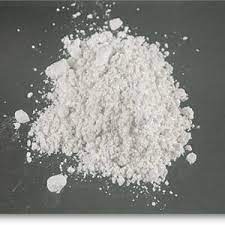

25I-NBOMe
$13.00
25I-NBOMe is a high-potency NBOMe-class research chemical for professional serotonin receptor and neuropharmacology studies. Available with ≥98% purity in the USA & Europe. Strictly for laboratory use only with discreet global shipping.
Price is per gram(g), Consct us for bulk pricing
Buy 25I-NBOMe – USA & Europe
1. What is 25I-NBOMe?
25I-NBOMe is a potent synthetic psychedelic research chemical belonging to the NBOMe series and structurally derived from the phenethylamine 2C-I. Initially synthesized in the early 2000s and primarily used for scientific research, it is known for its strong agonist action at the serotonin 5-HT2A receptor. 25I-NBOMe has no legitimate industrial, cosmetic, or medical uses beyond laboratory and neuropharmacological studies. Its exceptional potency and fast receptor-binding kinetics make it a standard for mapping serotonin receptor activity, PET imaging tracers, and analytical studies in neuroscience.
2. Chemical Composition & Structure of 25I-NBOMe
The full chemical name is 2-(4-Iodo-2,5-dimethoxyphenyl)-N-[(2-methoxyphenyl)methyl]ethanamine. It has a molecular formula of C18H22INO3 and a typical molar mass (hydrochloride form) of ~463.7 g/mol. The molecule consists of a phenethylamine backbone with iodo, methoxy, and NBOMe groups attached, increasing both potency and selectivity for the target receptor.
3. Research Applications of 25I-NBOMe
25I-NBOMe is mainly used as an analytical reference standard and for studying serotonin 5-HT2A receptor function. It also serves as a radioligand ([11C]Cimbi-5) in PET neuroimaging. Research uses include receptor binding assays, PET scan development, and behavioral assays for serotonergic activity and hallucinogenic mechanisms.
4. Recommended Laboratory Handling & Safety Guidelines
Handle with standard chemical safety practices: use gloves, safety goggles, and lab coats. Manipulate only in a chemical fume hood to avoid inhalation or skin exposure. Strictly avoid direct skin or eye contact or ingestion. Prepare small quantities at a time and ensure trace chemical containment.
5. Hazard Warnings & Risk Statements (GHS Classification If Applicable)
-
GHS Signal Word: WARNING
-
H302: Harmful if swallowed
-
H315: Causes skin irritation
-
H319: Causes serious eye irritation
-
H335: May cause respiratory irritation
Toxicity studies indicate high acute and behavioral toxicity if mishandled.
6. Compatibility with Other Reagents or Substances
Stable under normal lab conditions but incompatible with strong oxidizers. Use neutral, non-reactive solvents (e.g., ethanol, DMSO, methanol). Avoid strong acids and bases which may degrade the compound.
7. Emergency Protocols for Accidental Exposure
-
Eye/skin: Rinse with copious water for at least 15 minutes. Remove contaminated clothing.
-
Inhalation: Seek fresh air immediately and get medical help if symptoms persist.
-
Ingestion: Seek emergency medical attention and provide compound name to responders.
8. Storage Stability & Shelf Life Monitoring
Store in tightly sealed, clearly labeled opaque vials in a cool, dry environment. Refrigeration recommended. Avoid exposure to light or humidity; stable for several years in an airtight container under optimal conditions.
9. Can Researchers Purchase 25I-NBOMe Without a License?
Yes, researchers may purchase 25I-NBOMe as a reference chemical, but confirming local legal status is solely the purchaser’s responsibility.
10. Is It Legal to Order 25I-NBOMe Online in My Country?
25I-NBOMe is a controlled substance (Schedule I or equivalent) in the USA, Canada, EU, UK, Australia, and many other jurisdictions. Ordering is restricted to authorized research entities. Always consult national regulations before purchasing.
11. Is 25I-NBOMe Considered Safe for Laboratory Use?
Safe if handled according to strict laboratory protocols. Never ingest. Risk of acute toxic and behavioral effects. Proper training and monitoring of staff required.
12. Special Considerations for Researchers with Medical Conditions
Researchers with a history of cardiac, neurological, or psychiatric illness should avoid handling due to the compound’s neuroactive and cardiovascular effects.
13. Allergen Exposure Risks When Handling 25I-NBOMe
Not a known allergen, but all contact should be avoided. Cross-sensitization to phenethylamines possible in rare cases.
14. Can 25I-NBOMe Be Used in Combination with Other Research Materials?
Use only with inert reference solvents or compatible neuroactive research chemicals. Incompatibility with oxidizing agents and strong acids/bases.
15. Can Pregnant Researchers Handle 25I-NBOMe?
Not recommended. All research personnel who are pregnant, breastfeeding, or immunocompromised should avoid any contact.
16. Proper Handling Protocols for Best Experimental Consistency
Use analytical-grade pipettes and single-use tools where possible. Track every batch and reagent lot. Limit exposure to air, moisture, and light.
17. Optimizing Research Output with 25I-NBOMe
Ensure solvent purity, maintain stable temperature, and avoid repeated freeze-thaw cycles. Document all research conditions for reproducibility.
18. Reported Results and Efficacy in Experimental Settings
25I-NBOMe is highly effective in serotonin receptor mapping and PET scans. Noted for strong selectivity and very high potency at low concentrations.
19. Known Adverse Reactions or Lab Incidents
Reports document severe agitation, tachycardia, behavioral toxicity with accidental or intentional exposure—determine risk management procedures in advance.
20. What To Do in Case of Severe Exposure or Contamination
Immediately evacuate affected personnel, initiate decontamination (water rinse, remove clothing), and seek professional medical assistance. Provide safety data to responders.
21. Can Alcohol-Based Solvents Be Used with 25I-NBOMe?
Yes, ethanol and methanol are compatible at analytical concentrations. Use freshly prepared solvents and verify chemical stability before use.
22. What If I Skip a Scheduled Measurement or Test Cycle?
Discard and freshly prepare the solution to maintain data integrity and avoid degradation product interference.
23. Maximum Recommended Duration of Experimental Storage or Use
Prepared solutions best used within 3 months under refrigeration; solid form stable for multiple years when undisturbed in proper storage.
24. Stability After Discontinuation of Testing
Chemical may slowly degrade if left exposed to air, light, or moisture. Monitor regularly and update logs.
25. Is There Risk of Dependency or Sensitization?
No evidence for laboratory exposure causing dependency. Avoid repeated skin/mucosal contact to reduce sensitization risk.
26. Long-Term Storage Recommendations for 25I-NBOMe
Airtight, amber vials in refrigerators at 2–8 °C, with desiccant. Avoid frequent handling or transferring between containers.
27. Alternative Research Chemicals with Similar Properties
-
25C-NBOMe (chlorinated analog, similar potency)
-
2C-I (unsubstituted parent compound)
-
DOI (psychedelic phenethylamine)
-
DOC (psychedelic amphetamine)
You must be logged in to post a review.
Related products
Reviews
Clear filtersThere are no reviews yet.