

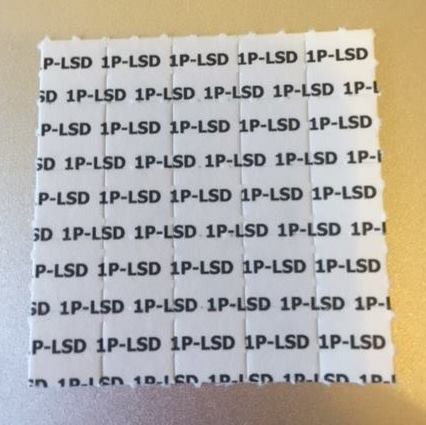

1P-LSD 125x10ug Drop Bottle
$100.00
1P-LSD 125x10ug Drop Bottle provides a potent and precise liquid form of 1P-LSD, ideal for detailed pharmacological and neuropsychological research with accurate volumetric dosing.
Price is per unit, Contact us for bulk pricing
Buy 1P-LSD 125x10ug Drop Bottle – USA & Europe
1. What is 1P-LSD 125x10ug Drop Bottle?
1P-LSD (1-propionyl-lysergic acid diethylamide) is a synthetic psychedelic prodrug of LSD. This product provides liquid 1P-LSD dosed at 125 micrograms per 0.1 ml drop, with 10 doses per bottle. The liquid format ensures precise dosing control for research applications, pharmacokinetic studies, and neuropsychopharmacological exploration.
2. Chemical Composition & Structure of 1P-LSD
The compound has a molecular formula C23H29N3O2 with a molecular weight of 379.5 g/mol. It differs from LSD by the addition of a propionyl group attached to the nitrogen atom of the indole ring, which metabolizes into active LSD in vivo. The core ergoline backbone characteristic of lysergamides is retained.
3. Research Applications of 1P-LSD
1P-LSD is used in pharmacological research focused on serotonergic psychedelics, primarily targeting the 5-HT2A receptor to study mechanisms of consciousness, cognition, and potential therapeutic effects. The liquid form facilitates pharmacokinetics, dose-response curves, and behavioral investigations.
4. Recommended Laboratory Handling & Safety Guidelines
Use PPE including nitrile gloves, goggles, and lab coats. Handle in a fume hood or well-ventilated area to avoid vapor inhalation. Avoid direct skin contact or ingestion. Store tightly sealed, upright, and protect from light and heat.
5. Hazard Warnings & Risk Statements (GHS Classification)
1P-LSD is labeled as a harmful and irritant substance under GHS criteria. Psychological effects can be profound; caution is warranted. Ensure clear hazard communication and avoid accidental exposure.
6. Compatibility with Other Reagents or Substances
Stable in common solvents such as ethanol and acetonitrile. Avoid strong acids, bases, and oxidizers. Validate solvent compatibility before experimental use.
7. Emergency Protocols for Accidental Exposure
Flush skin or eyes with water for at least 15 minutes on exposure. Move to fresh air if inhaled. In case of ingestion or severe reaction, seek urgent medical intervention.
8. Storage Stability & Shelf Life Monitoring
Store below -20°C in amber glass bottles with desiccants. Avoid freeze-thaw cycles. Under proper storage conditions, stability is maintained up to 12 months.
9. Can Researchers Purchase 1P-LSD Without a License?
Yes, 1P-LSD is available for research without a license. Researchers are responsible for confirming the compound’s legal status in their jurisdiction before ordering.
10. Is It Legal to Order 1P-LSD Online in My Country?
Legality varies among jurisdictions. Some regulate 1P-LSD explicitly; others do not. Researchers must consult local laws to ensure compliance.
11. Is 1P-LSD Considered Safe for Laboratory Use?
Safe under controlled laboratory conditions with appropriate protective measures. Its high potency necessitates precise dosing and exposure management.
12. Special Considerations for Researchers with Medical Conditions
Individuals with cardiovascular, neurological, or psychiatric disorders should avoid exposure due to unknown exacerbating effects.
13. Allergen Exposure Risks When Handling 1P-LSD
Minimal allergenic effects documented; skin contact may induce irritation; PPE mitigates risk.
14. Can 1P-LSD Be Used in Combination with Other Research Materials?
Caution advised when combined with MAO inhibitors or serotonergic substances; potential for enhanced or toxic effects.
15. Can Pregnant Researchers Handle 1P-LSD?
Avoid handling during pregnancy due to lack of reproductive safety data.
16. Proper Handling Protocols for Best Experimental Consistency
Use calibrated pipettes or precision droppers. Ensure consistent dispensing volumes (0.1 ml per 125 mcg dose) with minimal delay between dose preparation and application.
17. Optimizing Research Output with 1P-LSD
Utilize analytical grade (>98%) solutions to establish reproducible pharmacological profiles and behavioral data. Liquid form facilitates titration studies.
18. Reported Results and Efficacy in Experimental Settings
1P-LSD exhibits dose-dependent 5-HT2A activation, producing psychedelic effects with similar subjective profiles to LSD. Pharmacokinetic studies confirm rapid conversion to LSD.
19. Known Adverse Reactions or Lab Incidents
Potential adverse reactions include anxiety, increased heart rate, and dizziness. Proper handling prevents exposure-related incidents.
20. What To Do in Case of Severe Exposure or Contamination
Initiate decontamination by removing contaminated clothing and washing affected areas. Seek immediate medical attention and report incidents to safety personnel.
21. Can Alcohol-Based Solvents Be Used with 1P-LSD?
Yes, ethanol and other alcohols are standard solvents for preparation; stability testing is recommended.
22. What If I Skip a Scheduled Measurement or Test Cycle?
Interruptions may compromise reliability; resume dosing with documented adjustments and perform necessary controls.
23. Maximum Recommended Duration of Experimental Storage or Use
Up to 12 months recommended under ideal storage. Degraded or discolored solutions should be discarded.
24. Stability After Discontinuation of Testing
Stable if stored properly post-experiment; dispose accordingly.
25. Is There Risk of Dependency or Sensitization?
No addiction potential identified, but psychological sensitivity may occur with repeated use.
26. Long-Term Storage Recommendations for 1P-LSD
Store in amber glass vial, tightly sealed with desiccant, below -20°C, protected from light and moisture.
27. Alternative Research Chemicals with Similar Properties
Comparable compounds include LSD, ALD-52, ETH-LAD, and LSZ.
You must be logged in to post a review.


Reviews
Clear filtersThere are no reviews yet.