
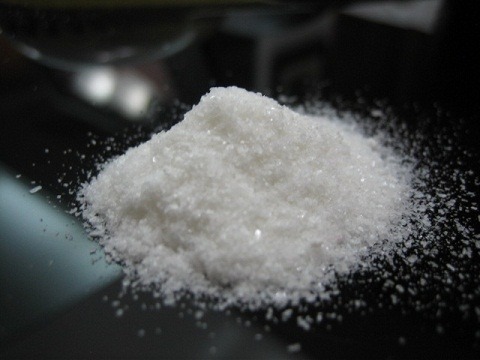
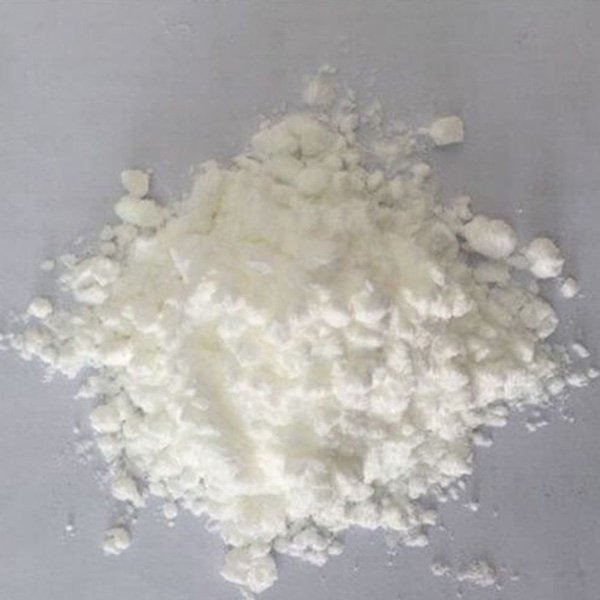
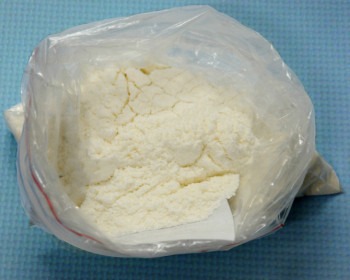
Methoxetamine (MXE)
$13.00
Methoxetamine (MXE) is a synthetic dissociative arylcyclohexylamine research chemical structurally related to ketamine. Used for NMDA receptor research with high purity, available for fast shipping from USA and Europe for lab use only.
Price is per gram(g), Contact us for bulk pricing
Buy Methoxetamine (MXE) – USA & Europe
1. What is Methoxetamine (MXE)?
Methoxetamine, commonly abbreviated as MXE, is a synthetic dissociative research chemical belonging to the arylcyclohexylamine class. It is structurally related to ketamine, differing by the substitution of a 3-methoxy group on the phenyl ring and an N-ethylamino side chain instead of the N-methylamino in ketamine. MXE acts primarily as an NMDA receptor antagonist, producing dissociative and anesthetic effects. It is utilized in neuropharmacological research to study NMDA receptor function and dissociative mechanisms.
2. Chemical Composition & Structure of MXE
The chemical formula is C15H21NO2 with a molecular weight of 247.33 g/mol (free base). The hydrochloride salt, commonly used in research, has a melting point of 227-233°C. MXE has a cyclohexanone ring fused to a 3-methoxyphenyl group and an N-ethylamino moiety. It is chiral and generally supplied as a racemic mixture.
3. Research Applications of MXE
MXE is primarily used to investigate NMDA receptor antagonism, dissociative anesthesia, and neuroplasticity mechanisms. It offers longer duration of action compared to ketamine, making it useful for studying extended dissociative pharmacodynamics, receptor interactions, and behavioral modeling.
4. Recommended Laboratory Handling & Safety Guidelines
Handle MXE with PPE such as gloves, masks, and goggles. Work in ventilated environments or fume hoods to prevent inhalation or dermal exposure. Measure doses accurately due to potent bioactivity and toxicity risks.
5. Hazard Warnings & Risk Statements (GHS Classification If Applicable)
MXE may cause severe sedation, dissociation, and neurotoxicity if mishandled. Treat as a hazardous substance with potential CNS effects. Avoid ingestion, skin, or eye contact.
6. Compatibility with Other Reagents or Substances
Soluble in solvents such as ethanol, DMSO, and dimethylformamide. Avoid strong oxidants and extremes of pH which destabilize the compound.
7. Emergency Protocols for Accidental Exposure
-
Flush skin/eyes thoroughly with water if contact occurs.
-
Remove individual to fresh air if inhaled; seek medical help if required.
-
In case of ingestion, immediate medical attention is advised.
8. Storage Stability & Shelf Life Monitoring
Store in airtight, dark containers at -20°C or refrigerated. Avoid moisture and repeated freeze-thaw cycles. Properly stored samples remain stable for years.
9. Can Researchers Purchase MXE Without a License?
Yes, purchase is permitted for research use; verification of applicable laws is the sole responsibility of the buyer.
10. Is It Legal to Order MXE Online in My Country?
MXE is controlled or banned in several jurisdictions. Legal status should be confirmed before ordering.
11. Is MXE Considered Safe for Laboratory Use?
Safe under strict lab safety practices. Due to potent psychoactivity, rigorous handling protocols are necessary.
12. Special Considerations for Researchers with Medical Conditions
Avoid by those with psychiatric or neurological vulnerabilities.
13. Allergen Exposure Risks When Handling MXE
No reported allergenicity; precautionary PPE recommended.
14. Can MXE Be Used in Combination with Other Research Materials?
Typically compatible with neuropharmacological solvents and reagents. Verify on case-by-case basis.
15. Can Pregnant Researchers Handle MXE?
Not recommended.
16. Proper Handling Protocols for Best Experimental Consistency
Use precise balances and pipettes; record all batch and solvent data.
17. Optimizing Research Output with MXE
Use fresh solvent preparations; maintain cold storage; avoid repeated freeze-thaw cycles.
18. Reported Results and Efficacy in Experimental Settings
Studies show MXE induces NMDA receptor blockade similar to ketamine but with longer-lasting dissociative states.
19. Known Adverse Reactions or Lab Incidents
Reports of overdose and toxicity exist; lab safety protocols critical.
20. What To Do in Case of Severe Exposure or Contamination
Decontaminate affected area and seek emergency care promptly.
21. Can Alcohol-Based Solvents Be Used with MXE?
Yes, ethanol and other organic solvents are compatible.
22. What If I Skip a Scheduled Measurement or Test Cycle?
Prepare fresh materials; discard questionable samples.
23. Maximum Recommended Duration of Experimental Storage or Use
Stable for years when stored properly in solid form; solutions should be used within months.
24. Stability After Discontinuation of Testing
Degrades slowly upon exposure to air and moisture; store protected.
25. Is There Risk of Dependency or Sensitization?
No dependency seen in lab exposure; avoid sensitization via PPE.
26. Long-Term Storage Recommendations for MXE
Store in opaque airtight containers at -20°C with desiccants.
27. Alternative Research Chemicals with Similar Properties
-
Ketamine
-
PCME (3-methoxyeticyclidine)
-
PCP (Phencyclidine)
Reviews
Clear filtersThere are no reviews yet.